
Insulation Compounds
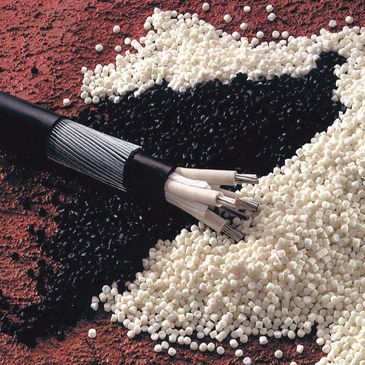
PVC Insulation Compound
PVC Insulation Compound
PVC Insulation Compound
- Thermoplastic compound offering good mechanical strength and flame resistance.
- Dielectric Strength: >18 kV/mm; Temp: up to 70 °C; RoHS compliant
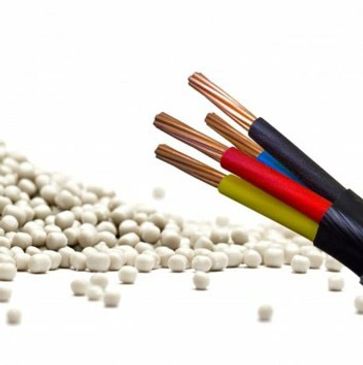
XLPE Compound
PVC Insulation Compound
PVC Insulation Compound
- Cross-linked polyethylene for enhanced thermal stability and low dielectric loss.
- Temp Rating: 90–105 °C; Volume Resistivity: >10¹⁴ Ω·cm
TPE Compound
PVC Insulation Compound
Low Smoke Halogen-Free (LSHF)
- Thermoplastic elastomer for flexible, low-voltage insulation applications.
- Flexibility: High; Temp Range: -40 °C to 105 °C
.jpg/:/cr=t:31.86%25,l:0%25,w:100%25,h:65.2%25/rs=w:365,h:365,cg:true)
Low Smoke Halogen-Free (LSHF)
Get in Touch with Ingreda Experts?
Low Smoke Halogen-Free (LSHF)
- Safe insulation for public buildings and tunnels; limits toxic gas in fires.
- Halogen Content: <0.2%; Smoke Density: Low; Flame Retardant
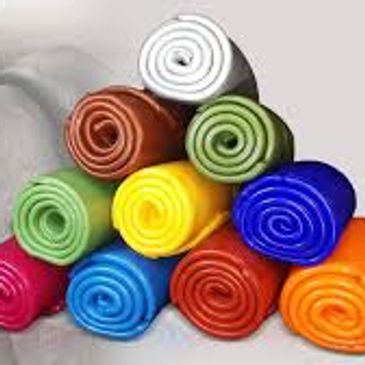
Silicone Rubber Compound
Get in Touch with Ingreda Experts?
Get in Touch with Ingreda Experts?
- High-temperature and highly flexible insulation for specialty cables.
- Temp Range: -60 °C to 200 °C; Weather Resistant

Get in Touch with Ingreda Experts?
Get in Touch with Ingreda Experts?
Get in Touch with Ingreda Experts?
Sheathing Compounds

PE Sheathing Compound
LSHF Sheathing Compound
LSHF Sheathing Compound
- Polyethene-based compound providing toughness and moisture resistance.
- Density: 0.92–0.94 g/cm³; Temp Range: -40 °C to 70 °C
LSHF Sheathing Compound
LSHF Sheathing Compound
LSHF Sheathing Compound
- Halogen-free compound designed to reduce smoke and toxic gas emissions in fire.
- Halogen Content: <0.2%; Flame Retardant; Low Smoke Density
TPU Sheathing Compound
LSHF Sheathing Compound
TPU Sheathing Compound
- Thermoplastic polyurethane offering abrasion resistance and flexibility.
- Tensile Strength: >40 MPa; Temp Range: -50 °C to 105 °C
PVC Sheathing Compound
Get in Touch with Ingreda Experts?
TPU Sheathing Compound
- Flexible sheathing compound with good weather and oil resistance.
- Dielectric Strength: >15 kV/mm; Flame Retardant Grades Available
Neoprene Sheathing Compound
Get in Touch with Ingreda Experts?
Get in Touch with Ingreda Experts?
- Rubber-based compound providing oil, chemical, and weather resistance.
- Temp Range: -40 °C to 90 °C; Resistant to oils and fuels
Get in Touch with Ingreda Experts?
Get in Touch with Ingreda Experts?
Get in Touch with Ingreda Experts?
Flame Retardants
Aluminum Trihydrate (ATH)
Aluminum Trihydrate (ATH)
Aluminum Trihydrate (ATH)
- Widely used inorganic FR filler for cable compounds; decomposes to release water vapour.
- Decomposition Temp: ~200 °C; Particle Size: 1–50 µm; Non-toxic
Magnesium Hydroxide (MDH)
Aluminum Trihydrate (ATH)
Aluminum Trihydrate (ATH)
- High-temperature flame retardant releases water to suppress fire and smoke.
- Decomposition Temp: ~330 °C; Particle Size: 1–20 µm; Low smoke
Halogen-Free FR Systems
Aluminum Trihydrate (ATH)
Halogen-Free FR Systems
- Formulated blends of mineral fillers and polymers for safe, eco-friendly FR performance.
- Halogen Content: <0.2%; Compliant with RoHS/REACH
Phosphorus-based FRs
Get in Touch with Ingreda Experts?
Halogen-Free FR Systems
- Reactive and additive flame retardants improving char formation in cables.
- Phosphorus Content: 15–20%; Halogen-Free; Synergistic with ATH
Nitrogen-Phosphorus Synergists
Get in Touch with Ingreda Experts?
Get in Touch with Ingreda Experts?
- Advanced FR systems combining P/N for smoke suppression and char stability.
- Intumescent effect; Eco-friendly; Improved flame retardancy
Get in Touch with Ingreda Experts?
Get in Touch with Ingreda Experts?
Get in Touch with Ingreda Experts?
Conductive Compounds
Semiconductive Shielding Compound
Semiconductive Shielding Compound
Semiconductive Shielding Compound
- Carbon black-filled PE/XLPE used in cable shielding layers.
- Resistivity: <500 Ω·cm; Smooth extrusion; Compatible with XLPE
Bonded Shield Compounds
Semiconductive Shielding Compound
Semiconductive Shielding Compound
- Semi-conductive layer bonded to insulation for cable integrity and stress control.
- Volume Resistivity: <1000 Ω·cm; Strong adhesion to insulation
Strippable Shield Compounds
Semiconductive Shielding Compound
Strippable Shield Compounds
- Semi-conductive material allowing easy removal during cable termination.
- Resistivity: <1000 Ω·cm; Peel strength optimized; Easy strip design
Conductive PE Compounds
Get in Touch with Ingreda Experts?
Strippable Shield Compounds
- Polyethylene compounds with conductive fillers for grounding and antistatic layers.
- Surface Resistivity: 10³–10⁵ Ω/sq; Tensile Strength: >12 MPa
Conductive EVA Compounds
Get in Touch with Ingreda Experts?
Get in Touch with Ingreda Experts?
- EVA-based conductive blends for flexibility and shielding in special cable applications.
- Volume Resistivity: <10³ Ω·cm; Flexible; Good processability
Get in Touch with Ingreda Experts?
Get in Touch with Ingreda Experts?
Get in Touch with Ingreda Experts?
Stabilizers & Additives
Heat Stabilizers
Antioxidants (Primary)
Heat Stabilizers
- Additives that protect cable polymers from thermal degradation during processing/use.
- Based on Ca/Zn or organotin; Effective up to 200 °C
UV Stabilizers
Antioxidants (Primary)
Heat Stabilizers
- Absorbers and quenchers prevent UV-induced cracking and discolouration.
- Hindered Amine Light Stabilisers (HALS); Long-term outdoor stability
Antioxidants (Primary)
Antioxidants (Primary)
Antioxidants (Secondary)
- Radical scavengers prevent polymer oxidation under heat and stress.
- Phenolic-based; Effective at 0.1–0.5% loading
Antioxidants (Secondary)
Get in Touch with Ingreda Experts?
Antioxidants (Secondary)
- Peroxide decomposers and synergists extend the thermal resistance of insulation.
- Phosphite-based; Work with phenolics for enhanced durability
Processing Aids
Get in Touch with Ingreda Experts?
Get in Touch with Ingreda Experts?
- Lubricants and modifiers improve extrusion, dispersion, and surface finish.
- Stearates, waxes, or siloxanes; Reduce melt viscosity; Improve output